

Crawling - Indexing
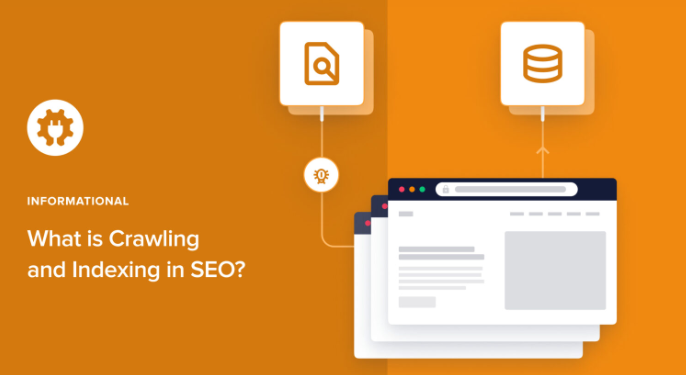
What is Crawling in SEO?
Crawling is the process search engine bots (also known as search spiders, crawlers, or Googlebot) use to systematically browse the internet to discover and access web pages. These bots start from a list of known web addresses (URLs) and then follow links from one page to another, effectively creating a vast interconnected network of web pages.
As the search bots crawl your site, they access your posts and pages, read the content, and follow the internal and external links on those pages. They continue this process recursively, navigating from one link to another until they have crawled a substantial portion of your site.
For small websites, this can be done on all the URLs. For large sites, however, search bots will only crawl the pages if they don’t exhaust the crawl budget.
Search engines use the data collected during crawling to understand the structure of websites, the content they contain, and how different web pages are related to each other. The information obtained from crawling is then used for the next step: indexing.
What is Indexing in SEO?
Once the crawlers have found and fetched your web pages, the next step in the process is indexing. Indexing involves analyzing and storing the information collected during the crawling process. The gathered data is organized and added to Google’s index (or any other search engine), a massive database containing information about all the web pages the search engine has discovered.
Search engines use complex algorithms to evaluate and categorize the content found on each page during indexing. Factors like keywords, page structure, meta tags, and overall relevance are considered during this process.
Indexing is important because it enables search engines to quickly retrieve relevant results when users perform a search query. These indexed results are then displayed on search engine results pages (SERPs).